
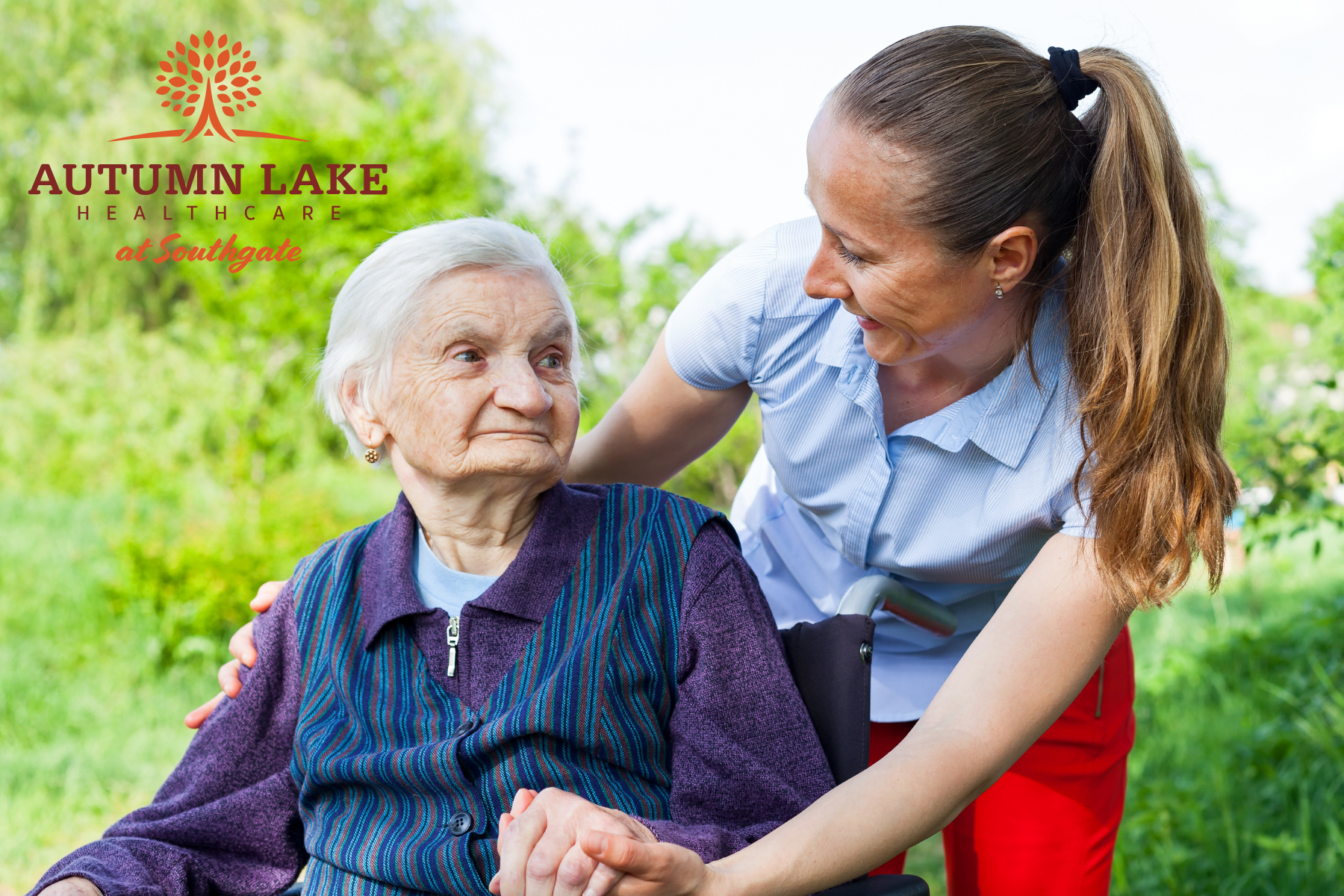
Sub-acute rehabilitation is preferred over home health care when a patient requires high-intensity clinical interventions, such as 24/7 skilled nursing, complex wound management, or frequent physical therapy, that cannot be safely or consistently managed in a residential setting. While home health offers convenience, sub-acute facilities provide the supervised environment necessary to prevent hospital readmissions for patients with significant medical instability.
The Critical Intersection of Care and Complexity
Choosing between returning home with a visiting nurse or entering a specialized rehabilitation center is one of the most significant medical decisions a family will face. Often, the desire for familiar surroundings clouds the clinical reality of what a successful recovery actually requires. In medical terms, “acuity” refers to the level of care a patient needs based on the severity of their illness. When a patient is discharged from a hospital but is not yet stable enough for a standard residential environment, they require sub-acute intervention to bridge the gap and prevent complications.
Why Clinical Complexity Demands an Inpatient Setting
Sub-acute rehabilitation is a proactive clinical intervention rather than a passive place to stay. For many seniors, the technical requirements of post-surgical care are too complex for a layperson to manage between intermittent home health visits. Managing a tracheostomy, performing daily sterile wound debridement, or titrating intravenous antibiotics requires the 24-hour professional oversight found at a rehabilitation center in Carneys Point, NJ. Without this level of constant monitoring, the risk of a “bounce-back” hospital admission increases significantly.
During a recent clinical audit for a firm, our consultants observed that families often underestimate the physical toll of 24/7 caregiving. When a patient requires “total care”, meaning assistance with all activities of daily living, the burden on a spouse can lead to dangerous lapses in medication or hygiene. Inpatient care removes this burden, allowing the family to focus on emotional support while medical professionals handle the heavy lifting.
Comparison of Care Delivery Models: A Strategic Overview
Understanding the structural differences in care delivery is essential for making an informed choice for nursing home & elder care in Carneys Point, NJ.
| Feature | Sub-Acute Rehab (Inpatient) | Home Health (Intermittent) |
| Supervision | 24/7 Licensed Nursing Support | 2–3 visits per week (approx. 1 hour each) |
| Therapy Frequency | Daily Physical, Occupational, or Speech Therapy | Periodic visits with high “homework” reliance |
| Emergency Response | Immediate, on-site medical staff and equipment | Dependent on a 911 call and ambulance transit |
| Infection Control | Institutional protocols and sterile environments | Variable based on home hygiene and visitor traffic |
| Nutrition | Chef-prepared meals under a dietician’s oversight | Dependent on family meal prep or delivery |
The “Home is Always Safer” Misconception
A common industry myth suggests that patients always heal faster and more safely at home due to psychological comfort. While the emotional benefit is real, it often masks physical hazards. Standard residential environments are rarely optimized for recovery; narrow hallways and standard bathroom fixtures are major fall risks for those with limited mobility. Specialized senior living in Carneys Point is engineered with universal design, utilizing medical-grade flooring and lighting to actively prevent injuries that occur in a typical house.
Applying Our “Safe Haven Integration” to Solve This
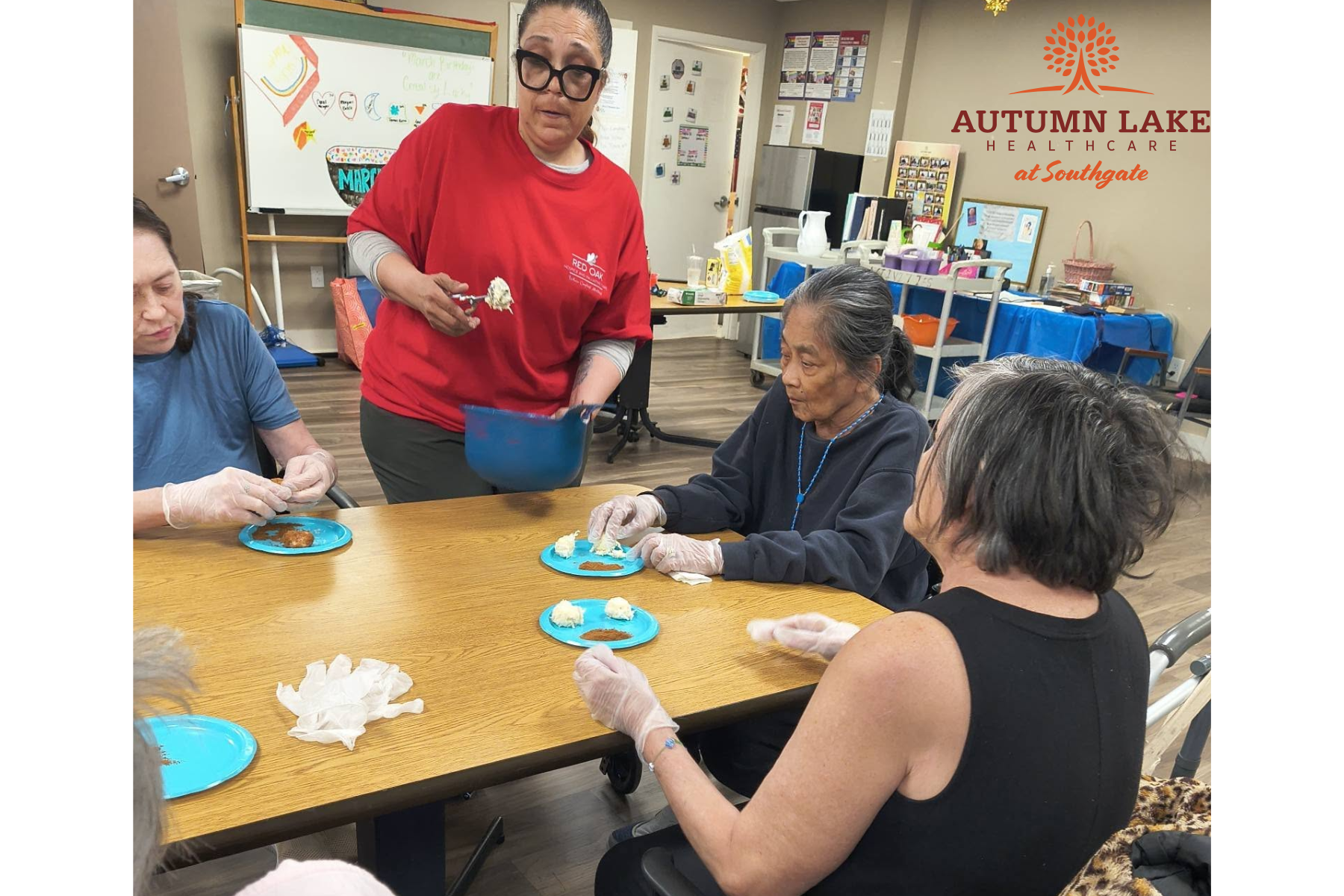
We don’t just provide a room; we execute a proprietary methodology called Safe Haven Integration. Our team focuses on creating a safe and comfortable environment for every resident by merging high-acuity medical care with the psychological benefits of a resort-style atmosphere. This system offers advanced care programs for complex medical conditions, overseen by a team of in-house, board-certified specialists who ensure no clinical detail is overlooked during the recovery phase.
Under this framework, we provide 24/7 Skilled Nursing Care within an environment that feels like a home, not a hospital. Residents have access to spacious private and semi-private rooms, a private courtyard and garden, and an on-site beauty salon. This balance of clinical rigor and hospitality ensures that patients remain engaged and motivated, which is often the missing piece in a solitary home recovery plan.
High-Standard Amenities and Dining
A critical component of our Safe Haven Integration is nutritional excellence. Residents enjoy a gourmet dining experience, prepared by our very own culinary chef under the direction of a registered dietician. When browsing nursing homes in Carneys Point, NJ, families should look for this level of dietary customization, as proper protein intake and hydration are the literal building blocks of tissue repair and physical strength.
Navigating the Financial Transition
We understand that the logistics of long-term care can be daunting for families. To ensure our specialized programs remain accessible, we accept Medicare, Medicaid, most insurances, and private pay. This flexibility allows us to focus on the patient’s “Acuity Milestones”, specific data points that prove a patient is truly ready for discharge, rather than rushing the process due to administrative hurdles. This is a core part of our commitment to the health of those searching for assisted living in Carneys Point, NJ.
Frequently Asked Questions
Is sub-acute rehab covered by Medicare?
Yes, Medicare Part A typically covers sub-acute rehabilitation in a skilled nursing facility for up to 100 days, provided the patient has had a qualifying 3-day inpatient hospital stay.
How long does a sub-acute rehab stay last?
Stays vary by individual, but most patients remain in sub-acute care for 20 to 30 days before they are safely stabilized for a return home or a transition to assisted living.
What is the difference between sub-acute and acute rehab?
Acute rehab (IRF) requires a rigorous 3-hour daily therapy schedule. Sub-acute rehab is better suited for patients who need 24/7 nursing and therapy but lack the initial stamina for such an intense regimen.
To Sum Up
Don’t leave a complex recovery to chance with intermittent home visits. Ensure your loved one has the professional oversight and luxury environment they deserve during this critical transition. Visit us to schedule a tour or learn more about our specialized care programs.