
How to Protect a Home from Medicaid Estate Recovery During Long-Term Care Transitions

To protect a home from Medicaid estate recovery, homeowners must utilize legal strategies like Irrevocable Medicaid Asset Protection Trusts (MAPT), Life Estate Deeds, or the Caregiver Child Exception at least five years before care is needed. These methods legally transfer or protect equity, ensuring the home passes to heirs rather than being sold by the state to reimburse long-term care costs.

Understanding the Risk to Your Family Home

For many families, the home is the most significant asset in their legacy. However, when a loved one transitions into long-term care, the state’s Medicaid Estate Recovery Program (MERP) becomes a looming shadow. While your home is often considered an “exempt asset” during your lifetime, the state has a federal mandate to seek reimbursement from your estate after you pass away.

This transition period is often stressful for families looking for a nursing home and rehabilitation center in Carneys Point, NJ, as they juggle the complexities of medical care with the fear of losing their inheritance. Understanding the rules of the game is the first step in ensuring that your property remains a family heirloom rather than a government reimbursement.

Key Strategies for Home Protection

Protecting your primary residence requires a proactive approach. You cannot wait until the day of admission to start moving assets, as Medicaid’s “look-back” rules are designed to catch last-minute transfers.

Comparison of Protection Methods

Strategy Timing Required Pros Cons
Medicaid Asset Protection Trust (MAPT) 5+ Years Before Care Full protection; maintains tax basis Loss of direct control; 5-year look-back
Life Estate Deed 5+ Years Before Care Simple to set up; avoids probate Difficult to sell/refinance property
Caregiver Child Exception 2 Years of Care Provided No look-back penalty; keeps the home in the family Requires strict proof of medical necessity
Lady Bird Deed Anytime (where available) Retain control; avoids probate Only available in specific jurisdictions

During a recent consultation for a family exploring senior living in Carneys Point, NJ, we discovered that many seniors are unaware of the “Intent to Return Home” clause. Even if a senior moves into a facility, as long as they express a subjective intent to return to their primary residence, the home may remain exempt from being counted toward the Medicaid asset limit during their lifetime.
 

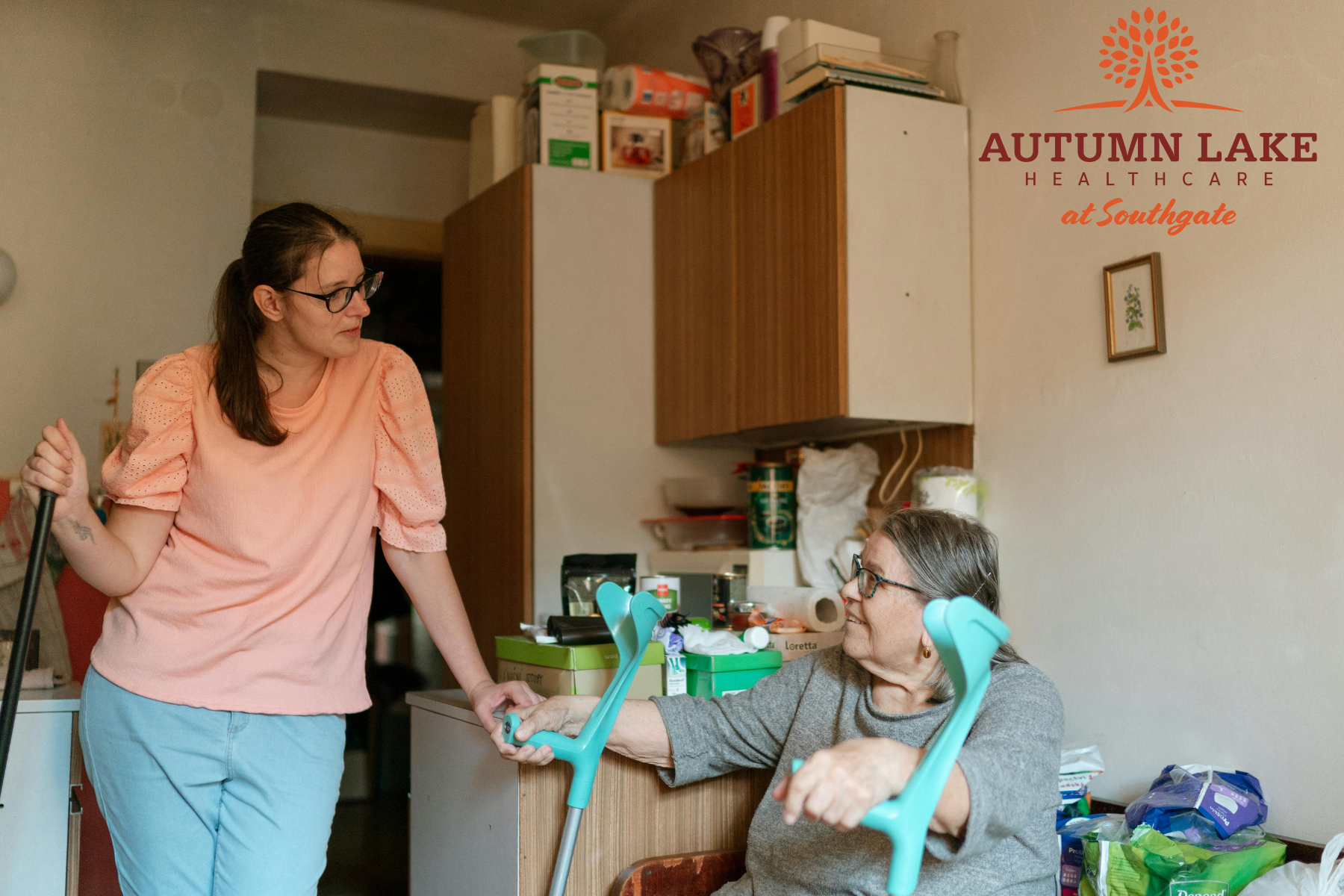
A nurse helps an elderly resident use a walker to get out of bed at Autumn Lake Healthcare at Southgate.


The Southgate Mission: Elite Care in a Vibrant Atmosphere

At Autumn Lake Healthcare at Southgate, we believe that the transition to long-term care should be an upgrade in quality of life, not a downgrade in financial security. Our mission is to inspire our residents to live life to its fullest by providing them with elite-level care in a warm, energetic, and vibrant atmosphere. This philosophy is baked into every aspect of our facility, ensuring that while you protect your financial legacy, your daily life is enriched.

We deliver on this mission through a gourmet dining experience, prepared by our very own culinary chef under the direction of a registered dietician. This ensures that physical health is supported by world-class nutrition and a variety of menu selections. To maintain a “vibrant atmosphere,” we provide the following high-end specifications:

  • Spacious private & semi-private rooms
  • Complimentary cable & WiFi
  • Private courtyard and garden
  • On-site beauty salon
  • Spacious Lounges
  • Daily Housekeeping & Laundry Service

We accept Medicare, Medicaid, most insurances, and private pay, making us a versatile choice for those seeking assisted living in Carneys Point, with a level of comfort within a skilled nursing environment.

Step-by-Step Guide to the Asset Protection Timeline

Navigating the 2026 Medicaid landscape requires a chronological plan of action to avoid common pitfalls.

  1. The Pre-Planning Phase (5+ Years Out): This is the “Golden Window.” By establishing an Irrevocable Trust now, you “start the clock.” After 60 months, the assets within the trust are generally invisible to Medicaid.
  2. The Transition Phase: When care becomes necessary, families should look into the rehabilitation center in Carneys Point options that accept Medicaid. At this stage, you must document the status of the home and any occupants, such as a spouse or disabled child, who might provide a permanent exemption from recovery.
  3. The Application Phase: Every gift or transfer made in the last five years must be disclosed. Transparency is key to avoiding heavy penalties.
  4. The Post-Death Phase: This is when the state sends a “Notice of Intent to Recover.” Heirs have a limited window to claim hardships or prove that an exemption was in place.

Debunking the ‘Tenancy in Common’ Myth

A dangerous misconception frequently circulates in financial planning: the idea that simply adding your adult child’s name to your deed as a “Tenant in Common” protects the home. This is a myth that can cost you your home. When you add a name to a deed without receiving fair market value, Medicaid views this as a “disqualifying transfer.”

If you do this within the five-year look-back period, you will likely face a penalty period where Medicaid will refuse to pay for your care. Furthermore, if you own 50% of the home as a tenant in common, the state can still place a lien on your half of the equity after you pass away. For those seeking a nursing home in Carneys Point, NJ, it is vital to use specialized legal tools like the Caregiver Child Exception instead.

Technical Specifications for 2026 Medicaid Compliance

To stay within the safe harbor of Medicaid eligibility while protecting a home, you must adhere to these technical benchmarks:

  • Home Equity Limit: In 2026, the federal maximum for home equity exemption is approximately $1,071,000, though many states set the floor closer to $713,000.
  • The 60-Month Rule: Any transfer of the home for less than fair market value within 60 months of a Medicaid application triggers a penalty.
  • The Penalty Divisor: This is the average monthly cost of a skilled nursing facility in your region. If you gave away a $300,000 home and the divisor is $10,000, you are ineligible for Medicaid for 30 months.

Frequently Asked Questions

Can Medicaid take my house if my spouse still lives there?

No. As long as a spouse, a child under 21, or a blind/disabled child of any age resides in the home, the state cannot initiate estate recovery.

What is a ‘Lady Bird’ Deed?

This is an enhanced life estate deed that allows you to retain control of the property during your lifetime while automatically transferring it to heirs upon death, bypassing probate and often avoiding estate recovery.

Does a Will protect my home from estate recovery?

No. A Will usually forces the home into probate, which is the primary venue where the state files its recovery claims.

How does the ‘Look-Back’ period work?

Medicaid reviews all financial transactions from the 60 months before your application. Any asset transfers for “less than fair market value” result in a period of ineligibility for benefits.

To Sum Up

Choosing the right care environment shouldn’t mean sacrificing your family’s future. At Autumn Lake Healthcare at Southgate, we combine elite-level clinical care with a vibrant, supportive atmosphere that treats residents like family. Whether you are seeking short-term recovery or long-term support, our team is here to guide you through every transition.

Don’t leave your home to chance. Visit us today to schedule a tour of our private suites and experience our gourmet dining and energetic community firsthand.
How to Transition a Resistant Senior to Nursing Care Without Emotional Trauma

To transition a resistant senior to nursing care without emotional trauma, you must replace unilateral demands with collaborative, empathy-led decision-making. By validating their fears of lost autonomy, utilizing professional “transitional stays,” and maintaining a consistent family presence during the first 14 days, you can mitigate Relocation Stress Syndrome and preserve the bond of trust.

The Emotional Architecture of Resistance

When a parent or spouse says “no” to professional care, they are rarely rejecting the medical support itself. Instead, they are defending their identity. For a senior who has lived in their home for decades, the prospect of moving feels like a surrender of their history and agency.

To navigate this, families must shift from being “fixers” to being “facilitators.” If you are currently researching nursing homes in Carneys Point, NJ, you likely know that the physical move is only a small fraction of the challenge; the rest is the emotional heavy lifting that happens months before the boxes are packed.

Identifying the Root of the “No”

Before you can address resistance, you must diagnose its origin. Seniors typically resist care because they imagine cold, clinical hallways instead of vibrant communities, or they worry they will no longer have “work” to do, such as gardening or managing a household. They are essentially mourning the person they were when they were fully independent.

The Strategic Path: A Step-by-Step Transition Guide

1. The Collaborative Consultation

Avoid the “Big Talk” in favor of smaller, casual shares. Mention the benefits of communal living by focusing on social isolation rather than medical needs. For families looking into senior living in Carneys Point, we often suggest starting the conversation by highlighting hobbies: “Dad, I noticed you haven’t seen your card group lately; I found a place nearby with a lounge dedicated specifically to bridge.”

2. The Power of “Trial Runs.”

Many families find success by framing the transition as a “respite stay” or a “rehabilitation period.” This is especially effective if your loved one is already in a rehabilitation center in Carneys Point, NJ, recovering from a minor procedure. Use that time to highlight the ease of having meals prepared and laundry done, allowing them to “test drive” the lifestyle without the weight of a permanent commitment.

3. Creating a Familiar Sanctuary

Emotional trauma is often triggered by visual shock. When moving into a new room, ensure it feels familiar by bringing the worn recliner, the specific quilt from their bed, and family photos framed exactly as they were on the mantle.

Comparison: The “Crisis Move” vs. The “Phased Transition”

Feature The Crisis Move (High Trauma) The Phased Transition (Low Trauma)
Trigger A fall or medical emergency Proactive planning and observation
Senior’s Role Passive recipient of a decision Active participant in the selection
Psychological Impact High risk of “Transfer Trauma.” Feeling of “upgrading” lifestyle
Family Stress Extreme guilt and burnout Peace of mind and shared responsibility

A male nurse in blue scrubs assisting an elderly man in a wheelchair at Autumn Lake Healthcare at Southgate.

The Southgate Mission: Elite Care in a Vibrant Atmosphere

Our mission is to inspire our residents to live life to its fullest by providing them with elite-level care in a warm, energetic, and vibrant atmosphere. We believe that professional care shouldn’t feel like a compromise on quality of life.

The Gourmet Dining Experience

One of the most significant sources of trauma in traditional facilities is the loss of food quality and choice. We solve this through our gourmet dining experience, prepared by our very own culinary chef under the direction of a registered dietician. By offering a variety of menu selections, we return the power of daily choice to the resident.

Amenities that Foster Autonomy

Our service areas are intentionally designed to spark energy and social interaction rather than clinical isolation. Our specifications include:

  • Living Accommodations
    • Spacious private & semi-private rooms
    • Complimentary cable & WiFi for staying connected with family
  • Lifestyle Features
    • Private courtyard and garden: For those who find peace in nature.
    • On-site beauty salon: To help residents look and feel their best.
    • Spacious Lounges: Areas designed for communal gathering and vibrant social hours.
  • Convenience Services
    • Daily Housekeeping & Laundry Service (removing the burden of chores).

We provide these elite-level comforts so the senior views the move as an entry into a more supported, luxurious chapter of life. We accept Medicare, Medicaid, most insurances, and private pay to ensure this quality of care is accessible.

Debunking the “Safety Over Happiness” Myth

A common industry myth suggests that safety is the only metric that matters in senior care. While safety is vital, prioritizing it at the total expense of happiness leads to emotional trauma. A senior who is “safe” but profoundly depressed in a clinical environment will see their health decline faster than one who takes measured risks in a warm and energetic environment. When choosing nursing home & elder care in Carneys Point, NJ, look for a provider that balances clinical excellence with emotional vitality.

Applying “The Southgate Spirit” to Your Strategy

If you are currently evaluating assisted living in Carneys Point, NJ, remember that your goal is to minimize the “delta” between their current home and their new environment. Our methodology involves matching the resident with a “peer ambassador” who shares their interests and ensuring clinical oversight is present but not intrusive, preserving the resident’s dignity.

Frequently Asked Questions

What is “Transfer Trauma” and how do I spot it?

Transfer Trauma, or Relocation Stress Syndrome, manifests as increased confusion or anxiety following a move. You can prevent it by maintaining a familiar routine and using empathetic language during the transition.

How do I tell my parents they can’t go home?

Avoid the word “never.” Instead, focus on the present: “Right now, the goal is to get you stronger and more social. Let’s focus on the next 30 days here.”

Is it better to visit every day right after the move?

Yes. In the first 14 days, frequent visits reinforce that the senior has not been abandoned. As they engage in our vibrant atmosphere, you can transition to a sustainable long-term schedule.

To Sum Up

Transitioning a resistant loved one is one of the hardest things a family will ever do. By focusing on dignity, choice, and a warm, energetic atmosphere, you can turn a moment of crisis into a season of renewed life. At Autumn Lake Healthcare at Southgate, we provide a community where seniors can thrive.

Stop feeling guilty and start feeling supported.

Experience the elite-level care your loved one deserves. Whether you need short-term rehab or long-term care, we are here to guide you through every step of the transition. For more information about our services, contact us to schedule a tour today!

Evaluating Staffing Ratios vs. Star Ratings: How to Choose a Quality Nursing Home

To choose a quality nursing home, families must look beyond standard Medicare Star Ratings and prioritize high, real-time staffing ratios of registered nurses and aides. While star ratings offer a broad historical view of facility compliance, actual daily staffing ratios are the most accurate predictor of safety and personalized attention.

Choosing a long-term care facility requires shifting focus from the aesthetic appeal of a building’s lobby to the empirical data of how care is actively delivered. Below, we break down exactly how to weigh these crucial metrics to ensure your loved one receives the highest standard of care.

Comparing the Metrics: Star Ratings vs. Staffing Ratios

When families begin their search for assisted living in Carneys Point, or eventually a more advanced skilled nursing facility, they are immediately confronted with two primary metrics. Understanding the fundamental difference between them is critical for making an informed choice.

What Each Metric Tells You

Feature Medicare Star Ratings Staffing Ratios
What it measures Overall quality, health inspections, staffing, and quality measures. The exact number of registered nurses (RNs) and aides per resident.
Data Source CMS (Centers for Medicare & Medicaid Services), partially self-reported. Facility payroll records and daily shift schedules.
Update Frequency Annually or quarterly (often a lagging indicator). Daily and shift-by-shift (the real-time reality).
Primary Value Filtering out consistently poorly performing facilities. Predicting the actual quality of daily, hands-on care and safety.

While the CMS Five-Star Quality Rating System is an excellent tool for initial screening, it should never be the final deciding factor. Star ratings are composite scores, meaning a facility might score poorly on a recent health inspection but still maintain a respectable overall rating due to self-reported quality measures. Conversely, staffing ratios give you the mathematical reality of how many trained professionals are actively on the floor to feed, bathe, medicate, and monitor residents at any given hour.

Industry Myth Debunked: A 5-Star Rating Guarantees Perfect Care

There is a pervasive misconception in the eldercare industry that a 5-star rating on Medicare’s Care Compare website guarantees flawless service and a pristine environment.

This is simply not factual. While a 5-star rating is a strong indicator of historical compliance, it does not guarantee excellent daily care today because star ratings can lag months behind current conditions. A facility might have earned its 5 stars a year ago, but could currently be suffering from severe staff shortages due to management changes.

For example, when evaluating a nursing home in Carneys Point, NJ, families often rely on these online stars without checking the current reality on the ground. Always verify the rating against current, day-to-day staffing schedules. A 3-star facility with low staff turnover and high ratios will almost always provide more attentive care than a 5-star facility running on skeletal staffing.

Applying our Autumn Lake Care Blueprint to Solve This

To bridge the gap between abstract ratings and daily comfort, we use a proprietary approach designed to prioritize both clinical safety and personal well-being. Our team focuses on creating a safe and comfortable environment for every resident. Located near the Delaware Memorial Bridge, Carneys Point experiences humid summers and chilly winters, and our facilities provide reliable support and personalized attention year-round.

This geographical awareness is particularly vital for those exploring senior living in Carneys Point, NJ, where seasonal weather shifts require adaptable, vigilant care.

Beyond simply having the right number of staff, those staff members must be equipped to offer an elevated quality of life. We ensure our blueprint covers all aspects of daily living, including a gourmet dining experience, prepared by our very own culinary chef under the direction of a registered dietician.

Our residents also benefit from:

  • Spacious private & semi-private rooms
  • Complimentary cable & WiFi
  • Private courtyard and garden
  • A variety of menu selections
  • On-site beauty salon
  • Spacious Lounges
  • Daily Housekeeping & Laundry Service

Finally, navigating the financial logistics of eldercare should not be a barrier to accessing this level of service. We accept Medicare, Medicaid, most insurances, and private pay.


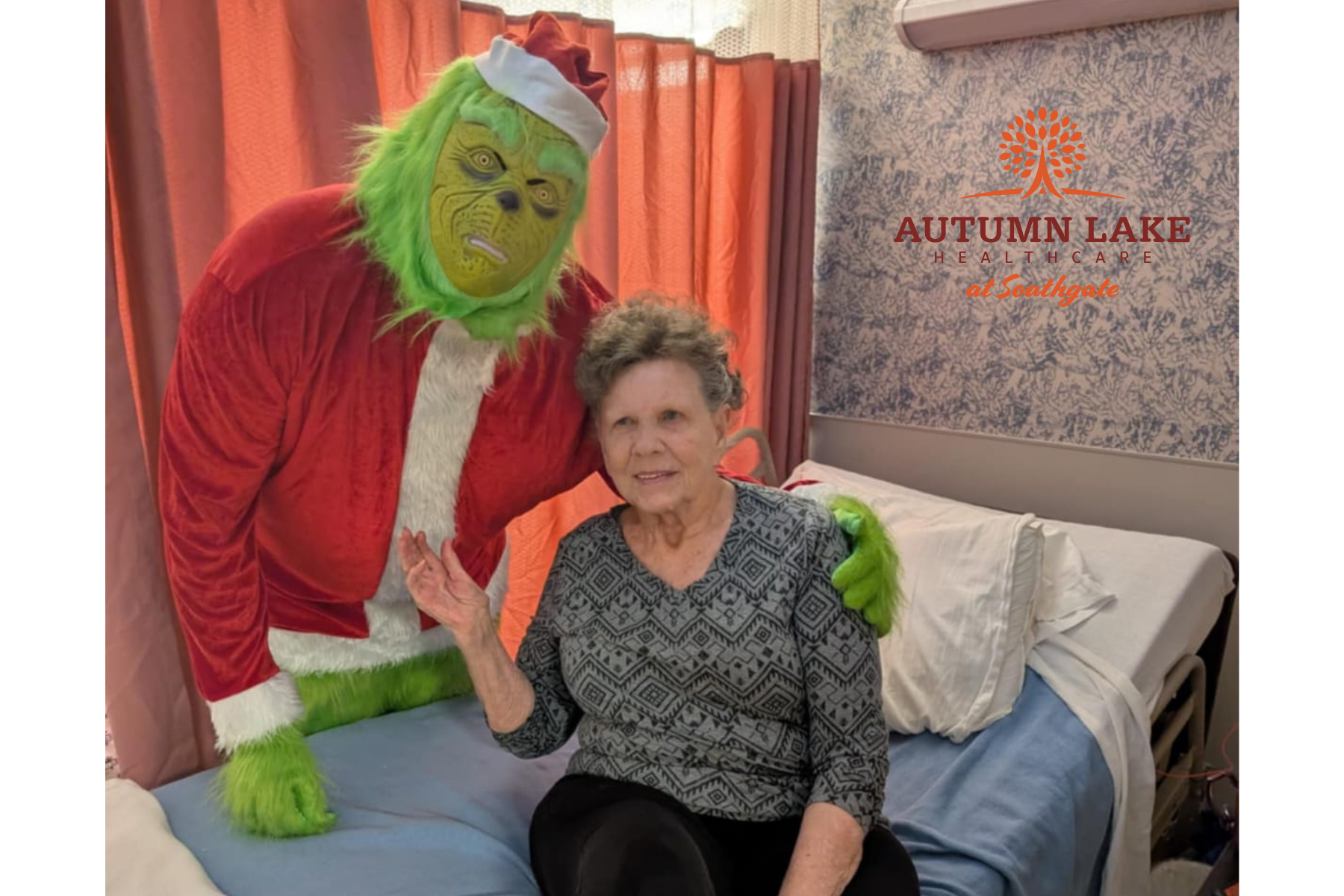
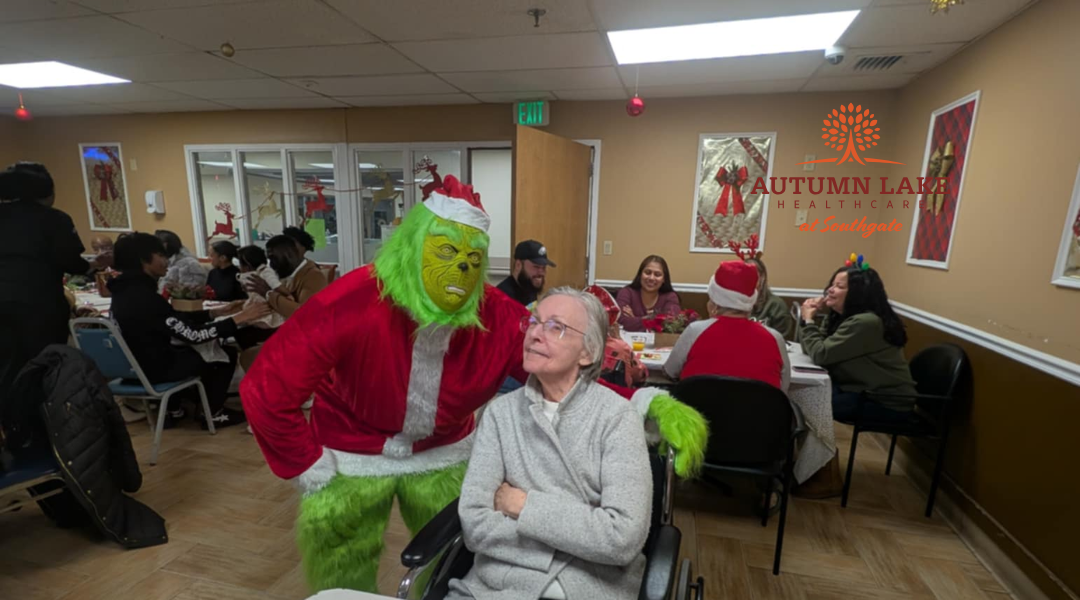
A nursing home resident sits on her bed and poses for a photo with a person dressed in a Grinch costume during the holidays.


Key Steps for Evaluating Facility Operations

To look past the marketing brochures and historical data, families must conduct their own operational audits. Follow these structured steps to accurately evaluate a facility’s capabilities.

  1. Check the Baseline CMS Ratings: Start your journey by looking up the facility on the official Medicare website. Look specifically at the “Health Inspections” sub-score, as independent state surveyors generate this rather than self-reported data.
  2. Request Current Shift Schedules: Do not accept average or target ratios. Ask the nursing director for the specific, scheduled nurse-to-resident and aide-to-resident ratios for night shifts, weekends, and holidays.
  3. Evaluate for Care Continuum: Consider if the location can adapt to changing health needs. Finding a comprehensive nursing home and rehabilitation center in Carneys Point, NJ, means your loved one won’t have to endure a disruptive move if they require physical therapy after a hospital stay.
  4. Analyze Staff Turnover Rates: High staffing ratios mean very little if the staff is constantly quitting. High turnover rates indicate a stressful work environment and mean that caregivers never have the time to learn the specific preferences and baselines of the residents.
  5. Look for Stepping-Stone Options: Sometimes, full skilled nursing isn’t necessary right away. Assessing lower-acuity options first can serve as a helpful baseline to compare the intensity of care required for your loved one.

Questions You Must Ask During Your Tour

When you take a tour—which should ideally be unannounced and during an “off-hour” like an evening or weekend—come prepared with objective, fact-based questions.

  • “What is your current retention rate for Certified Nursing Assistants (CNAs) over the past 12 months?”
  • “If my loved one presses the call button at 2:00 AM on a Sunday, mathematically, how many aides are on the floor to answer it?”
  • “Are you utilizing agency (temporary) nurses to meet your staffing ratios?”

If you are specifically looking for restorative care, such as a rehabilitation center in Carneys Point, you should also ask about the daily frequency of physical and occupational therapy sessions, and whether those therapists are in-house staff or contracted out.

Frequently Asked Questions

What is a good staff-to-patient ratio in a nursing home?

While state laws vary, a widely accepted benchmark for safe care is at least one direct care worker (CNA) for every 6 to 8 residents during the day shift, and one registered nurse (RN) for every 15 to 20 residents. Night shift ratios are naturally higher, but should never compromise emergency response times.

How often are Medicare Star Ratings updated?

The overall star rating and staffing measures are generally updated quarterly. Health inspection ratings are updated based on the state’s survey cycle, which typically occurs every 12 to 15 months.

Can a nursing home lose its Medicare funding due to low star ratings?

Yes, but it is rare and usually the result of severe, repeated health and safety violations. Facilities designated as “Special Focus Facilities” by CMS are under strict observation and risk losing funding if they do not show rapid, sustained improvement.

To Sum Up

Deciding to transition a family member into a skilled care facility is incredibly profound. You need facts, transparency, and an environment that prioritizes safety as much as dignity. At Autumn Lake Healthcare at Southgate, our community is built on a foundation of compassionate care, rigorous clinical standards, and a warm, inviting environment. We understand the weight of this decision and are here to provide the transparent answers you deserve.

To learn more about our specific staffing practices, care metrics, or to schedule a tour of our vibrant community!

Sub-Acute Rehab vs. Home Health: Why Clinical Complexity Dictates the Choice

Sub-acute rehabilitation is preferred over home health care when a patient requires high-intensity clinical interventions, such as 24/7 skilled nursing, complex wound management, or frequent physical therapy, that cannot be safely or consistently managed in a residential setting. While home health offers convenience, sub-acute facilities provide the supervised environment necessary to prevent hospital readmissions for patients with significant medical instability.

The Critical Intersection of Care and Complexity

Choosing between returning home with a visiting nurse or entering a specialized rehabilitation center is one of the most significant medical decisions a family will face. Often, the desire for familiar surroundings clouds the clinical reality of what a successful recovery actually requires. In medical terms, “acuity” refers to the level of care a patient needs based on the severity of their illness. When a patient is discharged from a hospital but is not yet stable enough for a standard residential environment, they require sub-acute intervention to bridge the gap and prevent complications.

Why Clinical Complexity Demands an Inpatient Setting

Sub-acute rehabilitation is a proactive clinical intervention rather than a passive place to stay. For many seniors, the technical requirements of post-surgical care are too complex for a layperson to manage between intermittent home health visits. Managing a tracheostomy, performing daily sterile wound debridement, or titrating intravenous antibiotics requires the 24-hour professional oversight found at a rehabilitation center in Carneys Point, NJ. Without this level of constant monitoring, the risk of a “bounce-back” hospital admission increases significantly.

During a recent clinical audit for a firm, our consultants observed that families often underestimate the physical toll of 24/7 caregiving. When a patient requires “total care”, meaning assistance with all activities of daily living, the burden on a spouse can lead to dangerous lapses in medication or hygiene. Inpatient care removes this burden, allowing the family to focus on emotional support while medical professionals handle the heavy lifting.

Comparison of Care Delivery Models: A Strategic Overview

Understanding the structural differences in care delivery is essential for making an informed choice for nursing home & elder care in Carneys Point, NJ.

Feature Sub-Acute Rehab (Inpatient) Home Health (Intermittent)
Supervision 24/7 Licensed Nursing Support 2–3 visits per week (approx. 1 hour each)
Therapy Frequency Daily Physical, Occupational, or Speech Therapy Periodic visits with high “homework” reliance
Emergency Response Immediate, on-site medical staff and equipment Dependent on a 911 call and ambulance transit
Infection Control Institutional protocols and sterile environments Variable based on home hygiene and visitor traffic
Nutrition Chef-prepared meals under a dietician’s oversight Dependent on family meal prep or delivery

The “Home is Always Safer” Misconception

A common industry myth suggests that patients always heal faster and more safely at home due to psychological comfort. While the emotional benefit is real, it often masks physical hazards. Standard residential environments are rarely optimized for recovery; narrow hallways and standard bathroom fixtures are major fall risks for those with limited mobility. Specialized senior living in Carneys Point is engineered with universal design, utilizing medical-grade flooring and lighting to actively prevent injuries that occur in a typical house.


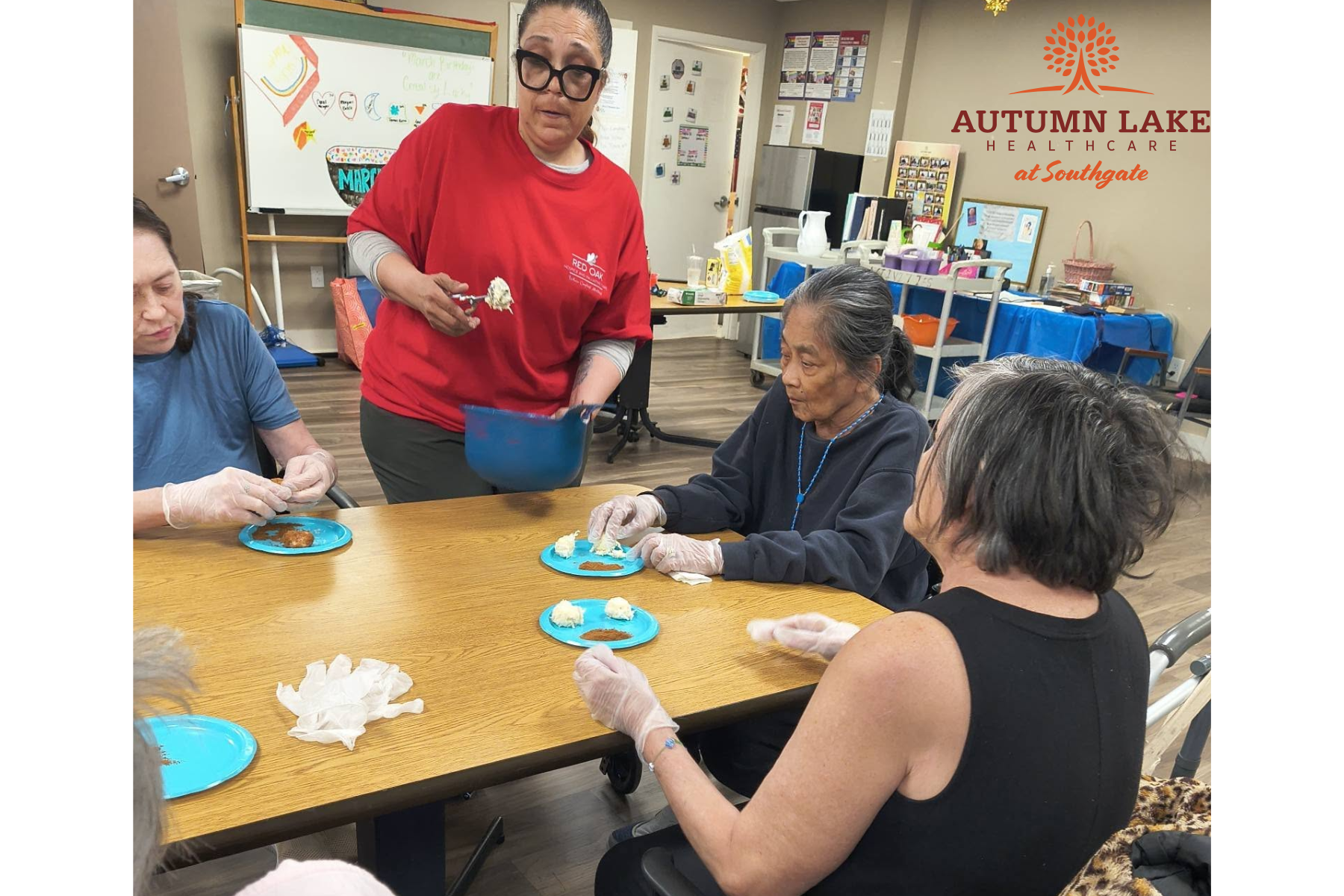
Residents at a rehabilitation care center participate in a hands-on food preparation activity at a communal table with a staff member.


Applying Our “Safe Haven Integration” to Solve This

We don’t just provide a room; we execute a proprietary methodology called Safe Haven Integration. Our team focuses on creating a safe and comfortable environment for every resident by merging high-acuity medical care with the psychological benefits of a resort-style atmosphere. This system offers advanced care programs for complex medical conditions, overseen by a team of in-house, board-certified specialists who ensure no clinical detail is overlooked during the recovery phase.

Under this framework, we provide 24/7 Skilled Nursing Care within an environment that feels like a home, not a hospital. Residents have access to spacious private and semi-private rooms, a private courtyard and garden, and an on-site beauty salon. This balance of clinical rigor and hospitality ensures that patients remain engaged and motivated, which is often the missing piece in a solitary home recovery plan.

High-Standard Amenities and Dining

A critical component of our Safe Haven Integration is nutritional excellence. Residents enjoy a gourmet dining experience, prepared by our very own culinary chef under the direction of a registered dietician. When browsing nursing homes in Carneys Point, NJ, families should look for this level of dietary customization, as proper protein intake and hydration are the literal building blocks of tissue repair and physical strength.

Navigating the Financial Transition

We understand that the logistics of long-term care can be daunting for families. To ensure our specialized programs remain accessible, we accept Medicare, Medicaid, most insurances, and private pay. This flexibility allows us to focus on the patient’s “Acuity Milestones”, specific data points that prove a patient is truly ready for discharge, rather than rushing the process due to administrative hurdles. This is a core part of our commitment to the health of those searching for assisted living in Carneys Point, NJ.

Frequently Asked Questions

Is sub-acute rehab covered by Medicare?

Yes, Medicare Part A typically covers sub-acute rehabilitation in a skilled nursing facility for up to 100 days, provided the patient has had a qualifying 3-day inpatient hospital stay.

How long does a sub-acute rehab stay last?

Stays vary by individual, but most patients remain in sub-acute care for 20 to 30 days before they are safely stabilized for a return home or a transition to assisted living.

What is the difference between sub-acute and acute rehab?

Acute rehab (IRF) requires a rigorous 3-hour daily therapy schedule. Sub-acute rehab is better suited for patients who need 24/7 nursing and therapy but lack the initial stamina for such an intense regimen.

To Sum Up

Don’t leave a complex recovery to chance with intermittent home visits. Ensure your loved one has the professional oversight and luxury environment they deserve during this critical transition. Visit us to schedule a tour or learn more about our specialized care programs.

What Types of Senior Living Options Are Available in Carneys Point, NJ, and How Do They Differ?

The primary differences between senior living options lie in the level of medical support, daily assistance, and security provided to the resident. Independent living focuses on lifestyle and social autonomy; assisted living adds help with daily tasks like bathing or medication; memory care provides specialized security for cognitive decline; and skilled nursing offers 24/7 clinical medical supervision for complex health needs.

Understanding the Spectrum of Care

Navigating a move to a new community is often a matter of matching health requirements with the right environment. When families begin searching for a Carneys Point senior living center, they frequently discover that “senior living” is an umbrella term for a wide range of service levels. Choosing the right fit requires identifying exactly where a senior sits on the spectrum of care.

1. Key Differences at a Glance

To simplify your search, we have categorized the four most common options available to seniors today.

Feature Independent Living Assisted Living Memory Care Skilled Nursing
Primary Goal Lifestyle & Social Help with Daily Tasks Cognitive Safety Medical Treatment
Medical Staff Generally none Available/On-call Specialized training 24/7 RNs/Doctors
Daily Support Maintenance only ADLs (Bathing, Dressing) Full ADL support Total clinical care
Security Standard Standard Secured/Locked units Clinical/High

Whether you are looking for senior living in Carneys Point, NJ, or exploring options in the surrounding areas, identifying the resident’s “care gap”, the difference between what they can do and what they need help with, is the first step.


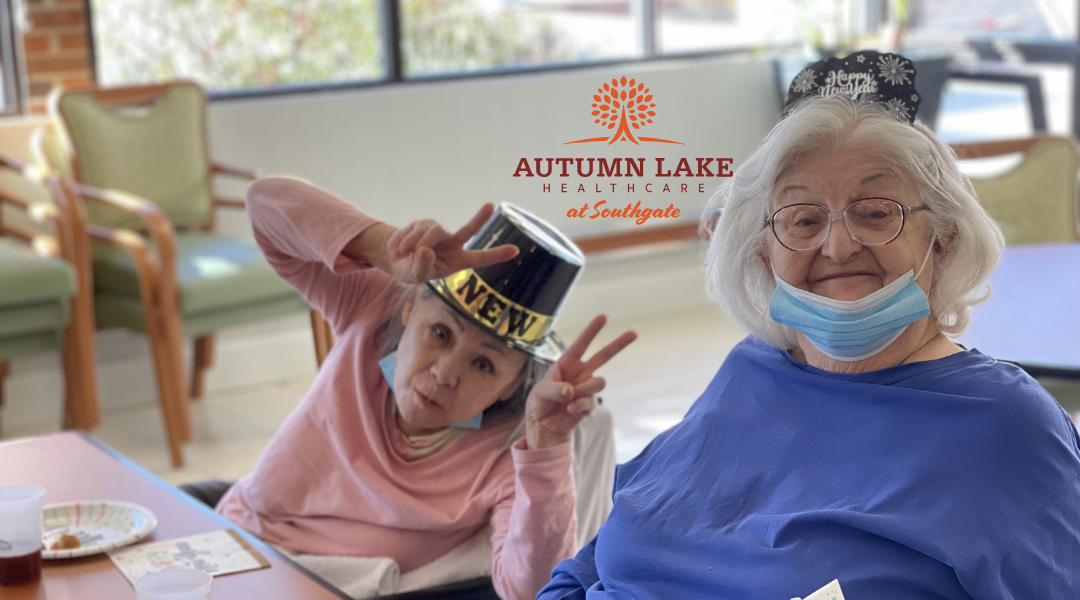
Two smiling nursing home residents wearing New Year's Eve party hats and posing playfully.


Comparing Support for Activities of Daily Living (ADLs)

The most significant differentiator in senior care is the frequency and intensity of help provided for Activities of Daily Living (ADLs). During a recent audit for a firm in the Game Creek or Collins Park neighborhoods, we found that many families struggle to match their loved one’s physical capabilities with the right facility type.

Use this list to determine which level matches your current needs:

  1. Self-Sufficient: You can manage hygiene, dressing, and medications alone, but want to shed the burden of home maintenance. (Independent Living)
  2. Occasional Support: You are mostly mobile but need a “hand” with buttons, stepping safely into the shower, or reminders for complicated pill schedules. (Assisted Living)
  3. Cognitive Guidance: You are physically capable but experience “sundowning,” forget how to perform basic tasks, or lose your sense of direction. (Memory Care)
  4. Extensive Medical Help: You require wound care, physical therapy, or constant monitoring by licensed nurses. (Skilled Nursing/Rehab)

For those requiring the highest level of clinical support, finding a reputable Carneys Point nursing and rehab center ensures that medical recovery and daily living are managed under one roof.

Debunking the “Nursing Home” Myth

A common misconception is that all senior living facilities are “nursing homes.” In reality, the industry has evolved into highly segmented care levels. Referring to an active Independent Living community as a “nursing home” is factually incorrect; those residents often drive their own cars and have no medical staff on-site.

The term Carneys Point nursing home specifically refers to a Skilled Nursing Facility (SNF). These are clinical environments designed for those with high-acuity medical needs or those in short-term rehabilitation. By contrast, assisted living is a social model of care that prioritizes independence while providing a safety net of support.

Applying Our Holistic Harmony Framework

Our team focuses on creating a safe and comfortable environment for every resident. Located near the Delaware Memorial Bridge, Carneys Point experiences humid summers and chilly winters, and our facilities provide reliable support and personalized attention year-round. To ensure every resident thrives, we implement a specific care philosophy.

Our approach integrates a gourmet dining experience, prepared by our very own culinary chef under the direction of a registered dietician. We prioritize nutrition as the foundation of wellness, ensuring that every meal supports the physical health of those in our care.

Beyond nutrition, our framework focuses on these specific amenities:

  • Spacious private & semi-private rooms designed for comfort.
  • Complimentary cable & WiFi to keep residents connected to family.
  • Private courtyard and garden for safe outdoor engagement during the spring and summer.
  • On-site beauty salon to promote self-esteem and routine.
  • Spacious Lounges for social interaction and community building.
  • Daily Housekeeping & Laundry Service to remove the stress of chores.

When researching nursing homes in Carneys Point, NJ, financial clarity is essential. We work to make high-quality care accessible and currently accept Medicare, Medicaid, most insurances, and private pay options.

Frequently Asked Questions

What is the average cost of senior living in New Jersey?

Costs vary by care level. Independent living is generally the most affordable, while memory care and skilled nursing are higher due to increased staffing ratios and specialized medical equipment.

Can I move from assisted living to skilled nursing in the same facility?

Many “Continuum of Care” communities allow residents to transition to higher levels of support as health needs change without having to move to a new address.

Does Medicare cover assisted living?

No, Medicare does not cover the “room and board” costs of assisted living. It is primarily designed to cover clinical medical expenses and short-term rehabilitation stays.

How do I know if it’s time for memory care?

Signs include frequent wandering, forgetting to eat, neglecting personal hygiene, or increased agitation in the evenings (sundowning).

To Sum Up

At Autumn Lake Healthcare at Southgate, we understand that every journey is unique. Whether you are seeking post-surgical rehabilitation or long-term clinical care, our team is dedicated to providing a warm, supportive environment that feels like family. We invite you to experience our personalized approach to resident wellness firsthand.

Are you ready to find the perfect level of care for your loved one? Visit us to schedule a tour or learn more about our comprehensive services.

What Services Does Autumn Lake Healthcare at Southgate Offer for Elderly Residents in Carneys Point?

Skilled nursing facilities provide essential medical and rehabilitative care, including 24/7 clinical nursing, physical and occupational therapy, and specialized wound management. These centers are designed to support seniors recovering from surgery or managing chronic illnesses through a combination of high-level medical intervention and personalized daily assistance.

The Spectrum of Clinical and Rehabilitative Support

When a loved one requires more care than can be provided at home, understanding the scope of professional medical services is the first step toward peace of mind. Skilled nursing is a high level of medical care that must be provided by or under the direct supervision of licensed health professionals. This distinguishes it from standard assisted living in Carneys Point, NJ, which typically focuses on hospitality and basic ADL (Activities of Daily Living) support rather than intensive clinical monitoring.

Core Medical Services

The backbone of any reputable Carneys Point rehabilitation and nursing center is its clinical team. This team manages complex health needs that require sophisticated equipment and specialized knowledge.

  • 24/7 Skilled Nursing: Registered Nurses (RNs) and Licensed Practical Nurses (LPNs) are on-site around the clock to manage volatile health conditions.
  • Intravenous (IV) Therapy: Essential for residents recovering from severe infections or dehydration.
  • Advanced Wound Care: Specialized beds and dressings manage post-surgical incisions and chronic pressure ulcers.
  • Pharmaceutical Management: Staff coordinates with physicians to monitor drug interactions and adjust dosages as recovery progresses.

Rehabilitation and Therapy Comparison

To regain independence, a premier rehabilitation center in Carneys Point, NJ, focuses on three distinct pillars of therapy:

Service Type Primary Goal Key Activities
Physical Therapy Restore Mobility Gait training, strength building, and balance exercises.
Occupational Therapy Daily Independence Adapting to dressing, grooming, and fine motor skills.
Speech Therapy Communication Cognitive retraining and “VitalStim” for swallowing.

Specialized Care Programs for Complex Conditions

Modern facilities offer “Specialty Units” tailored to the specific needs of the aging population. While researching a Carneys Point nursing home, families often look for programs that address both cognitive and physical decline. These units include Memory Care for dementia, Cardiac & Pulmonary Rehab for chronic conditions like CHF, and Respite Care for temporary family relief.


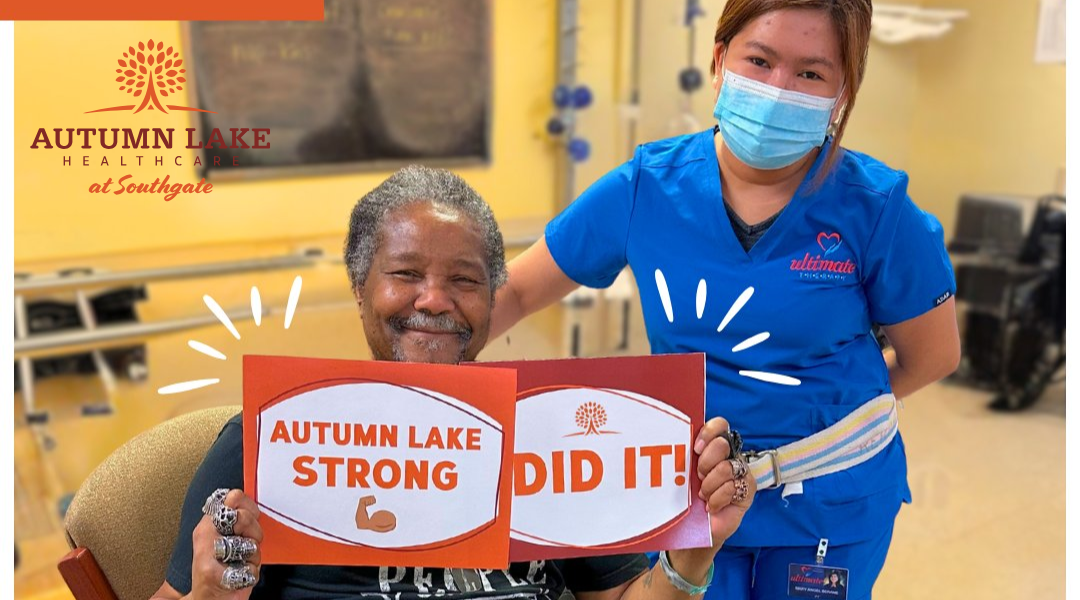
A smiling nursing home resident and a staff member in blue scrubs holding signs that say "Autumn Lake Strong" and "Did It!" during a celebration.


Debunking the “Permanent Move” Myth

The Misconception: Many families believe that entering a skilled nursing facility is a permanent move with no hope of returning home.

The Reality: There is a significant shift in the industry toward Short-Term Rehabilitation. Many residents utilize nursing homes in Carneys Point as a bridge between the hospital and their private residence. Whether recovering from a hip replacement or a stroke, the goal is to stabilize the patient and provide the intensive therapy needed to “graduate” them back to independent living.

Applying our Seasonal Sanctuary & Culinary Wellness Strategy

Our team focuses on creating a safe and comfortable environment for every resident. Located near the Delaware Memorial Bridge, Carneys Point experiences humid summers and chilly winters, and our facilities provide reliable support and personalized attention year-round. This proprietary approach, which we call Seasonal Sanctuary & Culinary Wellness, solves the physical and emotional stress of recovery through two key pillars:

1. Environmental Stability

Recovery is heavily influenced by surroundings. We prioritize a “Home-Like” atmosphere over a clinical one by providing:

  • Spacious private and semi-private rooms with complimentary cable and WiFi.
  • A private courtyard and garden for outdoor stimulation.
  • Spacious lounges and an on-site beauty salon for social normalcy.
  • Daily housekeeping and laundry services to remove the burden of chores.

2. The Gourmet Dining Experience

Nutrition is a medical intervention. We provide a gourmet dining experience, prepared by our own culinary chef under the direction of a registered dietician. By offering a variety of menu selections, we ensure even those on restricted diets enjoy their meals, preventing the weight loss often seen in traditional institutional settings.

Financial Integration and Accessibility

Navigating the costs of care shouldn’t be a barrier to recovery. To ensure these services remain accessible to local families, we accept Medicare, Medicaid, most insurances, and private pay. This flexibility allows residents to focus entirely on their rehabilitation journey while enjoying the comforts of a high-end facility.

Frequently Asked Questions

What is the difference between skilled nursing and a nursing home?

“Skilled nursing” refers to the medical care provided by licensed professionals, while “nursing home” is the residential setting where that care is delivered.

Does Medicare cover rehabilitation?

Yes, Medicare Part A typically covers skilled nursing care for a short-term period following a qualifying three-day hospital stay.

Are private rooms available?

Many facilities offer both private and semi-private rooms to accommodate different preferences and insurance coverages.

To Sum Up

At Autumn Lake Healthcare at Southgate, we are dedicated to providing the highest quality of care in a warm and welcoming environment. Our multidisciplinary team is here to support your family through every step of the recovery process.

Ready to see how we provide personalized attention year-round? Schedule a tour today or call us to discuss your specific care needs.

A Closer Look at the Nurse-to-Resident Ratio at Autumn Lake Southgate and What It Means for Your Loved One’s Care

Nurse-to-resident ratios are the primary indicator of safety and personalized attention in long-term care settings. Higher staffing levels directly correlate with lower rates of falls, pressure ulcers, and medication errors while fostering faster recovery times. While federal guidelines emphasize “sufficient staffing,” facilities that maintain higher-than-average hours per resident day (HPRD) ensure each senior receives the direct care and clinical monitoring necessary for their physical and emotional well-being.

Deciding on a skilled nursing environment is a significant milestone for any family. While many factors, such as the aesthetic of the building or the proximity to the Delaware Memorial Bridge, influence the initial walkthrough, the clinical outcome for a resident is determined by the humans providing the care. In this guide, we break down the metrics of staffing to help you understand how these numbers dictate the daily safety and happiness of your family member.

The Core Metrics: Defining “Sufficient Staffing”

For years, the phrase “sufficient staffing” was a vague industry term. However, modern standards now rely on concrete data points that families can use to evaluate senior living in Carneys Point, NJ. Understanding these metrics allows you to look past marketing and see the actual operational health of a facility.

Breaking Down the HPRD (Hours Per Resident Day)

The most accurate way staffing is measured is through “Hours Per Resident Day” (HPRD). This number calculates the average time a clinician provides direct care to a single resident during a 24-hour window. If a facility reports an HPRD of 4.0, it means that, on average, each resident receives four hours of one-on-one attention from the nursing team daily.

RN vs. Nurse Aide (CNA) Roles

  • Registered Nurse (RN) Care: RNs handle high-level clinical tasks, including complex wound care, medication management, and acute assessments.
  • Nurse Aide (CNA) Care: Aides manage activities of daily living (ADLs), such as bathing, dressing, and mobility assistance. They are typically the staff members residents interact with most frequently.

The 24/7 On-Site Requirement

A critical benchmark for any care center in Carneys Point, NJ, is the presence of a Registered Nurse on-site 24 hours a day. Historically, some facilities only required an RN for a single 8-hour shift, but a 24/7 presence ensures a clinical expert is always available for emergencies, which significantly reduces unnecessary hospital readmissions.

Comparing Care Standards: Current vs. Optimal Ratios

Data transparency helps families visualize why certain facilities outperform others. When touring Carneys Point nursing homes & elder care, asking for a facility’s HPRD numbers allows you to compare their performance against both federal minimums and the “Gold Standard” of research-backed excellence.

Staffing Comparison Table: Federal Minimums vs. Research-Backed Excellence

Staffing Metric 2026 Federal Baseline Research-Recommended (High Quality)
Total Nursing Hours (HPRD) 3.48 Hours 4.10+ Hours
RN Care (HPRD) 0.55 Hours (approx. 33 min) 0.75+ Hours (approx. 45 min)
Nurse Aide Care (HPRD) 2.45 Hours 2.80+ Hours
RN Availability 8 consecutive hours/day 24 hours/day, 7 days/week

How Ratios Directly Impact Resident Health Outcomes

The relationship between staffing volume and care quality is direct. Even the most dedicated caregiver cannot compensate for an excessive workload that prevents them from spending quality time with each individual.

5 Ways Staffing Levels Change Daily Care

  1. Reduced Medication Errors: When a nurse’s caseload is manageable, they can focus entirely on accurate administration and monitoring for side effects without being rushed.
  2. Faster Response Times: Lower ratios mean call lights are answered quickly, preventing residents from attempting to “self-transfer,” which is a primary cause of falls.
  3. Skin Integrity and Hygiene: Adequate aide staffing ensures residents with limited mobility are repositioned regularly, preventing painful pressure ulcers and infections.
  4. Nutritional Support: Having enough staff during mealtimes ensures residents who need help eating actually finish their meals and stay hydrated.
  5. Psychosocial Well-being: Staff with manageable workloads have the time for conversation, which is the most effective tool against the epidemic of senior loneliness.


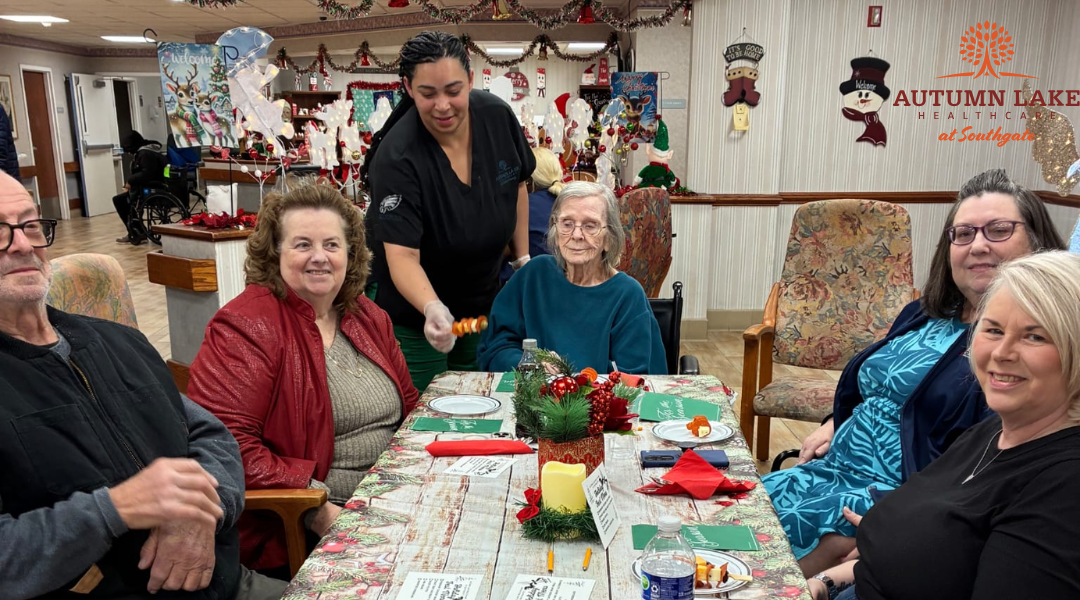
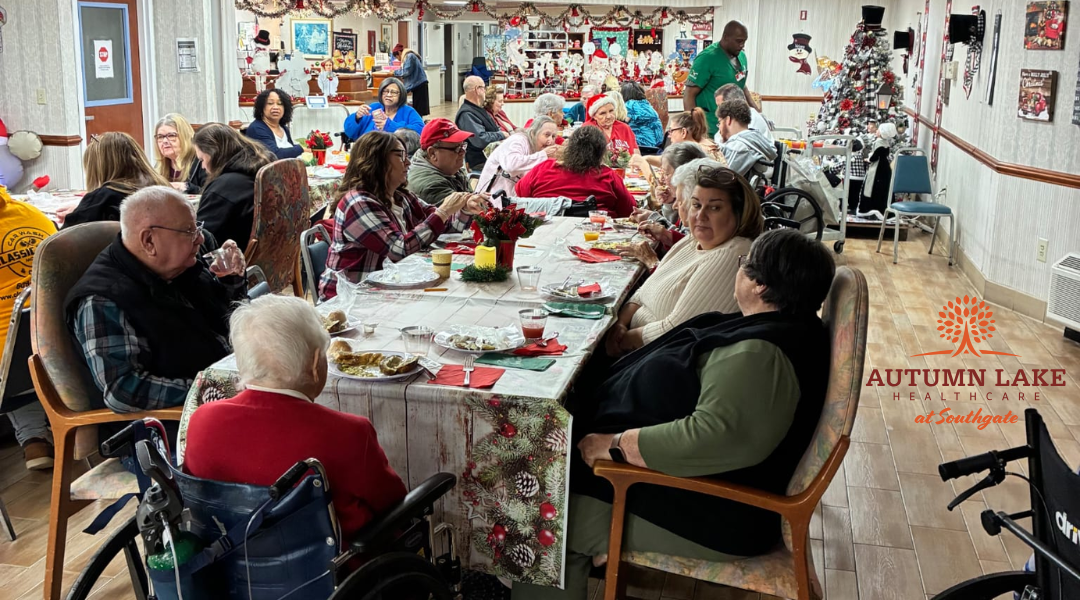
Nursing home residents and their families sitting at a decorated table while a staff member serves food during a holiday event.


Industry Myth-Busting: The “Flexibility” Excuse

Debunking the Myth that “Flexible Staffing” is Better than Fixed Ratios

The Myth: Some administrators argue that rigid ratios are too expensive and that “staffing based on acuity” (patient needs) provides better flexibility to move staff where they are needed.

The Reality: While resident needs do vary, “flexibility” is often used to justify chronic understaffing. Research consistently shows that there is a biological and professional limit to how many patients one nurse can safely monitor. Fixed ratios act as a “safety floor,” ensuring that even during budget cuts or staff turnover, care never drops below a dangerous level.

Applying Our Lifestyle Framework to Care

Our team focuses on creating a safe and comfortable environment for every resident. Located near the Delaware Memorial Bridge, Carneys Point experiences humid summers and chilly winters, and our facilities provide reliable support and personalized attention year-round. This is achieved through our specialized approach to facility management and resident life.

Our Quality Standards in Action

We ensure that high nurse-to-resident ratios are just the foundation for a more comprehensive living experience. By maintaining proper staffing, we can deliver a gourmet dining experience, prepared by our very own culinary chef under the direction of a registered dietician. This level of service is only possible when the nursing and dietary teams have the time to collaborate on each resident’s specific needs.

Proper staffing levels also allow us to maintain the following premium amenities at a high standard:

  • Spacious private & semi-private rooms
  • Complimentary cable & WiFi
  • Private courtyard and garden
  • A variety of menu selections
  • On-site beauty salon
  • Spacious Lounges
  • Daily Housekeeping & Laundry Service

When searching for rehab in Carneys Point, NJ, families should look for this intersection of clinical safety and lifestyle quality. We accept Medicare, Medicaid, most insurances, and private pay to ensure these high standards are accessible to our community.

Making an Informed Choice for Your Loved One

While ratios are just one piece of the puzzle, they are the most critical predictor of success in rehab homes in Carneys Point. A building can be beautiful, but the quality of life for your loved one is ultimately defined by the hands that help them each day. Always ask for the numbers, and prioritize facilities that view staffing as an investment rather than an expense.

Frequently Asked Questions

What is the ideal nurse-to-resident ratio?

While it varies by acuity, a ratio of 1:6 or 1:8 during day shifts is generally considered high-quality for skilled nursing, allowing for personalized attention.

Does a high rating on “Care Compare” guarantee good staffing?

It is a strong indicator, but you should also ask about “turnover rates.” A facility might have enough staff, but high turnover can disrupt the continuity of care.

How does staffing affect physical therapy outcomes?

Effective rehab requires a nursing team that can follow through on therapy exercises throughout the day. If the nursing staff is spread too thin, the progress made in the gym can be lost in the hallways.

To Sum Up

Choosing the right path for your loved one is about more than finding a bed; it’s about finding a partner who values safety as much as you do. See how our dedicated team and optimal staffing levels create a vibrant, safe community. Schedule your private tour today.

How Often Are Rooms Cleaned at Autumn Lake Southgate? The Importance of a Clean and Safe Environment for Seniors

In professional senior living and skilled nursing environments, resident rooms are cleaned daily to ensure a high standard of hygiene and safety. This daily maintenance includes surface disinfection and trash removal, while more intensive deep cleaning, such as floor sanitization and full linen changes, is performed on a weekly basis or immediately as needed.

The Standard Cleaning Schedule: Daily vs. Weekly Tasks

Maintaining a pristine environment is a 24/7 commitment that requires a strategic approach to housekeeping. For families researching a rehabilitation center in Carneys Point, NJ, understanding these operational benchmarks is essential for peace of mind. Cleanliness is not merely an aesthetic choice; it is a clinical necessity that dictates the health outcomes of every resident.

Frequency Breakdown of Housekeeping Tasks

Task Frequency Purpose
High-Touch Disinfection Daily Eliminates pathogens on remote controls, rails, and knobs.
Trash & Waste Removal Daily Prevents odors and mitigates pest risks.
Bathroom Sanitization Daily Ensures slip-resistance and bacterial control.
Linen & Personal Laundry Weekly Promotes skin integrity and comfort.
Deep Floor Care Weekly Removes allergens and maintains a trip-free surface.

During a recent facility audit for a firm near the Delaware Memorial Bridge, it was noted that daily intervention is the single most effective way to prevent the “institutional” feel often feared by families, replacing it instead with the freshness of a well-tended home.

Why a Clean Environment is Vital for Senior Health

As we age, our immune systems undergo immunosenescence, making us more susceptible to environmental pathogens. This is why top-tier nursing homes in Carneys Point, NJ, prioritize environmental services as a form of preventative medicine. A clean room serves as the first line of defense against the spread of seasonal flu, norovirus, and other healthcare-associated infections.

Beyond infection control, there is the matter of respiratory health. Dust mites and dander can exacerbate chronic conditions such as COPD or congestive heart failure. By utilizing HEPA-filter vacuums and microfiber technology, housekeeping teams can trap microscopic particles that traditional brooms simply stir back into the air. Furthermore, an organized, clutter-free room significantly reduces the risk of falls, the leading cause of injury among seniors.


A senior resident in a wheelchair posing with a staff member dressed in a Grinch costume at a rehabilitation care center.


Debunking the “Sterile Equals Cold” Myth

A common misconception in long-term care is that a truly clean facility must smell like a hospital hallway, heavy with the scent of bleach and ammonia. In reality, a strong chemical odor can be a “red flag.” It often suggests that a facility is attempting to mask odors rather than removing the source of them.

Modern standards in Carneys Point assisted living emphasize “neutral-air” environments. We believe that a room should smell like nothing at all. This is achieved through high-exchange ventilation and medical-grade, scent-free disinfectants that kill 99.9% of germs without irritating the sensitive respiratory tracts of our residents. True cleanliness is visible in the shine of a floor and the clarity of a window, not the sting of a chemical fragrance.

Applying Our Holistic Care Model to Solve This

Our team focuses on creating a safe and comfortable environment for every resident. Located near the Delaware Memorial Bridge, Carneys Point experiences humid summers and chilly winters, and our facilities provide reliable support and personalized attention year-round. We achieve this by integrating high-end amenities with clinical rigor:

  • Spacious private & semi-private rooms with complimentary cable & WiFi to keep residents connected.
  • A private courtyard and garden for outdoor wellness.
  • A gourmet dining experience, prepared by our very own culinary chef under the direction of a registered dietician, featuring a variety of menu selections.
  • On-site beauty salon and spacious lounges for social engagement.
  • Daily Housekeeping & Laundry Service to maintain a dignified living space.

We accept Medicare, Medicaid, most insurances, and private pay. This ensures that a nursing home and rehabilitation center in Carneys Point, NJ, can offer the highest level of hospitality alongside medical necessity.

Choosing Excellence in Assisted Living

The decision to transition a loved one into a professional care setting is often driven by the need for a safer environment than what can be provided at home. In a private residence, deep cleaning the bathroom or moving heavy furniture to dust can become impossible tasks for a senior.

In a dedicated assisted living facility in Carneys Point, NJ, these burdens are lifted. Professional environmental services teams are trained in bloodborne pathogens, cross-contamination prevention, and the ergonomics of a senior-safe layout. This professional oversight allows the resident to focus on what matters most: their recovery, their social life, and their dignity.

Frequently Asked Questions

How do nursing homes prevent the spread of MRSA or C. diff?

Facilities utilize contact precautions and “terminal cleaning” processes. This involves using EPA-registered disinfectants specifically rated to kill these resilient spores, combined with strict hand-hygiene protocols for all staff.

Are cleaning products safe for residents with dementia?

Yes. Modern facilities use non-toxic, low-VOC cleaning supplies. This ensures that residents who may have sensitivities to smells or chemicals remain comfortable and undistressed during the cleaning process.

Can residents bring their own furniture?

Most communities encourage residents to bring personal items to make the space feel like home. However, housekeeping staff will inspect these items upon arrival to ensure they can be safely cleaned and do not pose a tripping hazard.

To Sum Up

At Autumn Lake Healthcare at Southgate, we believe that a clean environment is the foundation of a healthy life. Our dedicated team works tirelessly to ensure that every corner of our community, from the spacious lounges to the private courtyard, reflects our commitment to excellence.

If you are looking for a supportive, pristine, and vibrant community for yourself or a loved one, we invite you to see our standards in action.

Would you like to see our standards for yourself? Schedule a Tour Today!

Ensuring Safety: Emergency Protocols and Fall Prevention in Nursing Homes

Nursing homes ensure resident safety through a dual-layered approach: standardized emergency protocols (including fire, medical, and disaster evacuation plans) and individualized fall prevention programs. These programs utilize clinical risk assessments, environmental modifications like non-slip flooring, and consistent staff training to minimize accidents and ensure rapid response during crises.

Core Components of Emergency Preparedness

Emergency preparedness in a skilled nursing setting is a rigorous regulatory framework designed to protect the vulnerable. For Carneys Point nursing homes & elder care providers, this involves a strategic “all-hazards” approach. This ensures that the facility is prepared for internal medical emergencies and external threats like severe weather or utility failures. A robust protocol transforms a potential crisis into a controlled, practiced response.

The Four Pillars of Emergency Response

  1. Risk Assessment: Facilities conduct a Hazard Vulnerability Analysis (HVA) to identify localized risks. This includes everything from power grid instability to seasonal flooding common in the region.
  2. Communication Plans: Redundant systems are required to ensure that if cellular networks or landlines fail, the facility maintains a direct line to emergency services and resident families.
  3. Resource Management: Under federal guidelines, facilities must maintain a 72-hour autonomous supply of water, non-perishable food, and life-sustaining medications for all residents.
  4. Training and Drills: Staff participates in quarterly simulations, ranging from active fire drills to “Code Blue” medical response training, ensuring that safety actions are instinctive.

Clinical vs. Environmental Fall Prevention

Fall prevention is a science that balances a resident’s physiological health with the mechanics of their physical surroundings. Families searching for a reliable Carneys Point care center prioritize facilities that recognize this intersection. Most falls are not the result of a single “accident” but are the culmination of clinical vulnerability meeting an environmental hazard.

Feature Clinical Interventions Environmental Safeguards
Primary Goal Address internal health risks (gait, vision). Remove external hazards (clutter, rugs).
Tools Used Morse Fall Scale, Medication Review. Motion sensors, grab bars, low-profile beds.
Staff Role Monitoring vitals and muscle strength. Daily “safety sweeps” and lighting checks.
Frequency Updated after every change in health. Constant monitoring by housekeeping.

Applying Our “Bridge to Comfort” Philosophy

Our team focuses on creating a safe and comfortable environment for every resident. Located near the Delaware Memorial Bridge, Carneys Point experiences humid summers and chilly winters, and our facilities provide reliable support and personalized attention year-round. Our Carneys Point nursing home calls this the “Bridge to Comfort” approach, a proprietary safety standard that treats the physical environment as an extension of clinical care.

We believe that safety is holistic; a resident who is well-nourished, hydrated, and socially engaged is physically steadier. This is why we provide a gourmet dining experience, prepared by our very own culinary chef under the direction of a registered dietitian. Proper nutrition is the foundation of muscle strength and cognitive alertness, both of which are critical for balance. To support this “Bridge to Comfort” standard, we provide:

  • Spacious private & semi-private rooms designed for easy mobility.
  • Complimentary cable & WiFi to keep residents engaged and alert.
  • Private courtyard and garden for safe, supervised movement.
  • A variety of menu selections to ensure consistent caloric intake.
  • On-site beauty salon to boost mental well-being and confidence.
  • Spacious Lounges for socialization, preventing the isolation that leads to unassisted wandering.
  • Daily Housekeeping & Laundry Service to keep all walkways clear of debris or spills.


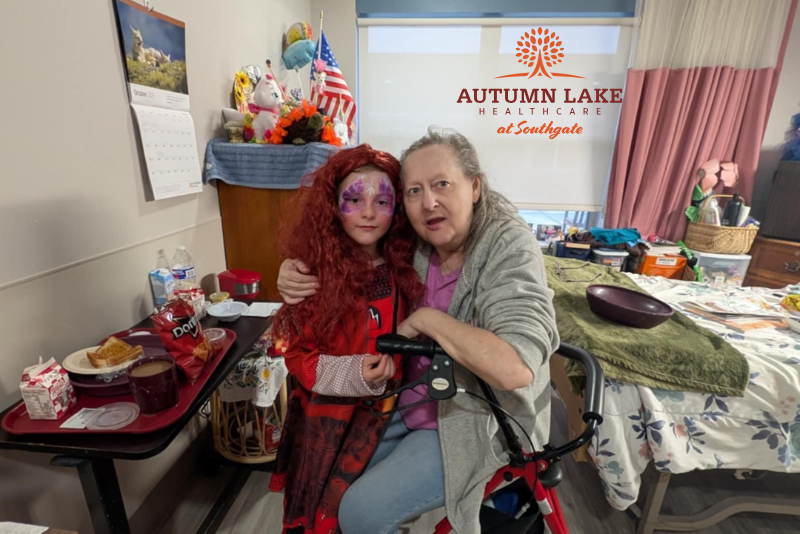
A senior woman in a nursing home room embracing a young visitor in a costume during a visit.


The Professional Standard for Rehab Homes

The transition from a hospital back to a residential setting is a high-risk period for any senior. At the top rehab homes in Carneys Point, the first 48 hours of admission are critical for establishing a “safety baseline.” We perform an immediate “Safety Huddle” with the physical therapy team to determine a resident’s exact weight-bearing capacity and gait stability before they ever take their first unassisted step in their new room.

Debunking the “Inevitability” Myth

The Misconception: Falls are an unavoidable part of aging in a nursing home.

The Reality: While aging brings physical changes, research confirms that 30% to 50% of nursing home falls are preventable through intervention. Attributing falls to “old age” is a dangerous industry myth that leads to complacency. Whether we are auditing a facility in a quiet New Jersey neighborhood or a bustling medical hub, we treat every fall as a “never event.” A fall is usually a symptom of a fixable problem, such as a medication side effect, rather than an expected outcome of aging.

Choosing a Carneys Point Rehabilitation and Nursing Center

Trust is the most important factor when selecting a Carneys Point rehabilitation and nursing center. Families need to know that their loved ones are protected by more than just protocols; they need a team that uses evidence-based tools like the Hendrich II Fall Risk Model. By combining high-tech sensors with high-touch nursing, we create an ecosystem where residents can recover with dignity.

Frequently Asked Questions

What is the most common cause of falls in nursing homes?

The primary causes include muscle weakness, gait imbalances, and environmental hazards like poor lighting. Medication side effects, such as dizziness or orthostatic hypotension, are also significant contributors.

How often are fall risk assessments updated?

Assessments occur upon admission, after any fall incident, and whenever there is a significant change in a resident’s medication or physical condition.

What happens if the power goes out?

Nursing homes are equipped with emergency generators that automatically kick in to power life-safety systems, medical equipment, and emergency lighting.

To Sum Up

At Autumn Lake Healthcare at Southgate, we combine clinical expertise with a warm, community-focused atmosphere. Whether you are seeking short-term rehabilitation or long-term care, our dedicated team is here to provide the security and comfort your family deserves. We accept Medicare, Medicaid, most insurances, and private pay.

Experience the difference that true safety and personalized attention can make. Visit us today to schedule a tour.

Understanding Long-Term Care Options: From Independent Living to Specialized Nursing at Autumn Lake

Long-term care transitions from independent living, which focuses on lifestyle and social engagement for active seniors, to specialized nursing, which provides 24/7 clinical supervision and medical support. Choosing the right level depends on the individual’s need for daily assistance, medical complexity, and the desired balance between autonomy and safety.

Deciding on the next step for a loved one requires more than just a tour; it requires an understanding of how clinical needs intersect with daily lifestyle. For many families, the journey starts with a search for assisted living in Carneys Point, where the goal is to trade the burdens of home maintenance for a community that prioritizes safety. The spectrum of care is designed to meet people exactly where they are, offering a path that scales from simple convenience to high-level clinical intervention.

Decoding the Continuum: Key Levels of Care Compared

Senior care is a progressive ladder of support. While independent living offers a maintenance-free lifestyle, specialized nursing provides a hospital-level of care in a residential setting.

Feature Independent Living Assisted Living Specialized Nursing
Primary Focus Lifestyle & Socialization Help with Daily Tasks (ADLs) Clinical & Medical Care
Medical Staff Generally none on-site Available/On-call 24/7 RN/LPN presence
Living Space Private apartments/villas Private or semi-private suites Clinical room setting
Typical Resident Active, mobile seniors Seniors needing help with meds Chronic illness or injury

During our initial assessments for families searching for nursing homes in Carneys Point, NJ, we find that the biggest hurdle is identifying which “rung” of the ladder a loved one currently stands on. It isn’t just about age; it’s about functional capacity, specifically, the ability to manage medications and mobility without professional intervention.

The Step-by-Step Transition: When to Level Up

Deciding to move a loved one into a dedicated nursing home and rehabilitation center in Carneys Point, NJ, is often a decision driven by clinical necessity. Use this checklist to evaluate if a higher level of care is required:

  1. Safety Assessment: Are falls becoming frequent despite home modifications?
  2. Medication Management: Are they capable of self-administering complex prescriptions?
  3. Nutritional Health: Are they relying on “tea and toast” instead of balanced meals?
  4. Clinical Necessity: Do they require wound care, physical therapy, or ventilator support?
  5. Social Isolation: Is a lack of transport leading to depression or cognitive decline?

Often, families in the various neighborhoods surrounding the Delaware Memorial Bridge find that while their loved one is safe, they aren’t thriving. This is where the transition to specialized support becomes a tool for improvement rather than just a safety net.


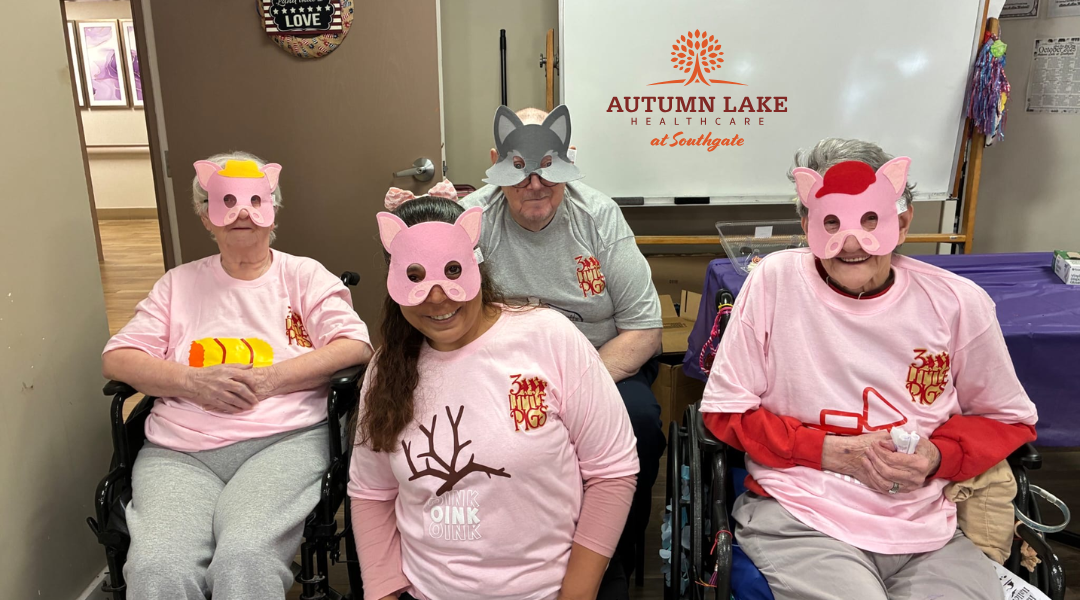
Seniors in wheelchairs wearing colorful decorative masks during a social activity at a senior living community.


Debunking the Myth: “Nursing Homes are Only for the End-of-Life”

A common misconception in the senior care industry is that specialized nursing facilities are strictly permanent destinations. This stigma often prevents families from seeking assisted living in Carneys Point, NJ, when it could actually improve a senior’s longevity.

The Reality: Many residents in specialized nursing are there for short-term rehabilitation. Following a stroke, surgery, or a fall, these facilities provide intensive physical and occupational therapy with the specific goal of returning the resident to a lower level of care. It is a tool for recovery, allowing seniors to regain the strength necessary to live more independently again.

Our Proprietary Care Approach: Safe & Season-Ready Support

Our team focuses on creating a safe and comfortable environment for every resident. Located near the Delaware Memorial Bridge, Carneys Point experiences humid summers and chilly winters, and our facilities provide reliable support and personalized attention year-round. This approach ensures that whether a resident is here for Carneys Point assisted living or complex nursing care, they are protected from environmental stressors.

This commitment to comfort is delivered through a high-end hospitality model. We provide a gourmet dining experience, prepared by our very own culinary chef under the direction of a registered dietician. Residents enjoy a variety of menu selections that cater to both their nutritional needs and their personal tastes.

To facilitate a “home-like” feel while maintaining medical standards, we offer:

  • Spacious private & semi-private rooms
  • Complimentary cable & WiFi
  • Private courtyard and garden
  • On-site beauty salon
  • Spacious Lounges
  • Daily Housekeeping & Laundry Service

Financial clarity is also a cornerstone of our support system. We aim to remove the stress of administrative hurdles by being as inclusive as possible; we accept Medicare, Medicaid, most insurances, and private pay.

Frequently Asked Questions

What is the main difference between assisted living and skilled nursing?

Assisted living is for individuals who need help with daily tasks like bathing but are medically stable. Skilled nursing is for those who require 24/7 medical supervision from licensed nurses.

Does Medicare pay for long-term care?

Medicare typically covers short-term “rehabilitative” stays (usually up to 100 days) but does not cover long-term “custodial” or residential care.

Can a resident move from nursing care back to independent living?

Yes. Many residents enter for “Sub-Acute Rehab” following a hospital stay. Once their strength is restored, they often transition back to a lower level of care.

To Sum Up

At Autumn Lake, we provide a sanctuary of healing and a community of care. Whether you are seeking short-term rehabilitation or a long-term home that offers safety and dignity, our doors are open.

Would you like to see how our personalized support can benefit your family?

Schedule a Tour Today and discover the preferred choice for care in the region.